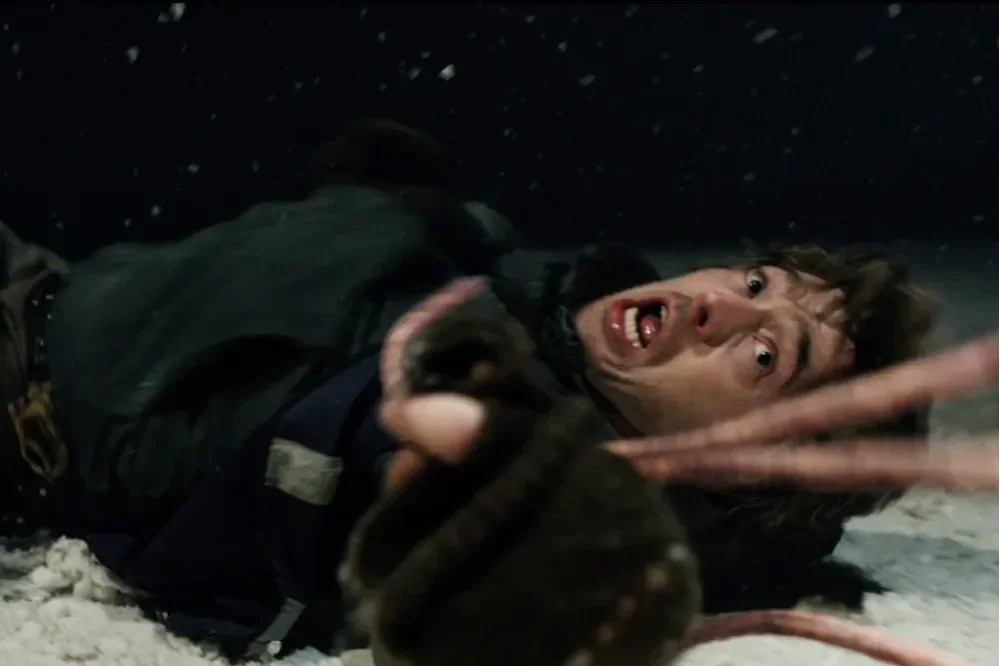
The Last Voyage of the Demeter: barely a footnote
If you’ve seen the movie Heretic (2024), then you know a thing or two about iterations. Though that film focused on how religions have evolved into different iterations throughout history, this phenomena isn’t exclusive to theology. Literary texts have also been turned into various iterations over time thanks to their numerous adaptations.
One of the most famous examples of this is Dracula by Bram Stoker (1897). Many of its adaptations have reached critical acclaim over the years, and rightfully so. Films like Bram Stoker’s Dracula (1992) from Francis Ford Coppola and Nosferatu (2024) from Robert Eggers are incredible. But in a sea of adaptations, some are bound to get swept away. The Last Voyage of the Demeter (2023) was one such film to get lost at sea, being poorly received upon its release. Today, I’d like to defend it as an iteration worth remembering.
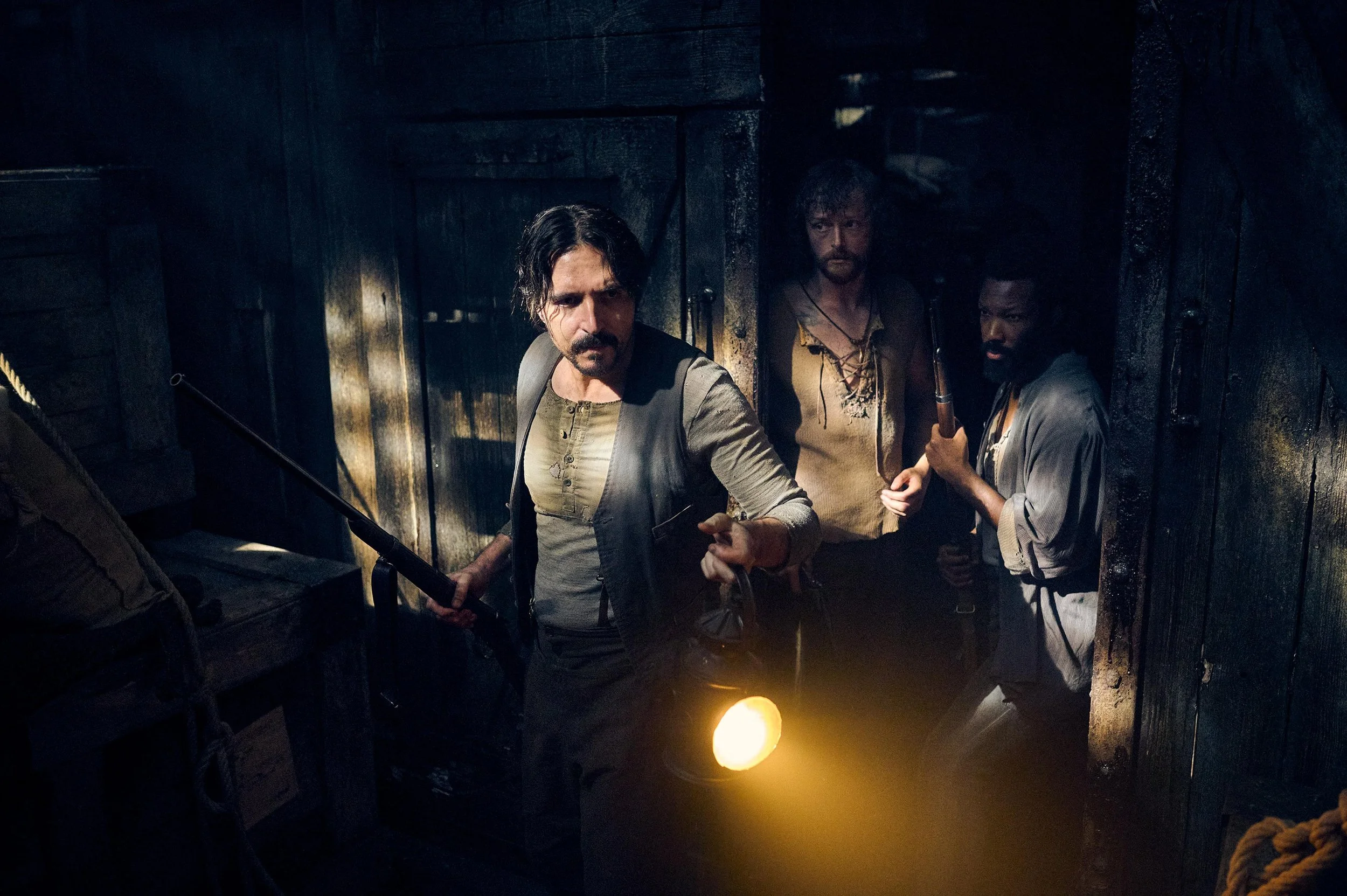
The Last Voyage of the Demeter is, admittedly, a mostly-lackluster horror movie. Aside from a good cast and cool monster shenanigans, there’s not a lot going for it. However, one thing that stood out to me when I finally saw the film was its portrayal of Dracula himself. I’ve heard some people say that they didn’t care much for this take on the character because they thought that he was less interesting than other depictions. These people felt that The Last Voyage of the Demeter had reduced him to just an animal, but I disagree with that sentiment. In reality, The Last Voyage of the Demeter is focusing on a side of Dracula that we usually only see in much smaller doses. It’s for this reason that I find this depiction of Dracula to be one of the scariest.
Ever since Bram Stoker’s Dracula was published back in 1897, it has had countless adaptations and retellings. But in nearly all of them, Dracula’s more sophisticated or “human” side takes center stage. As a result, we’ve grown accustomed to his more monstrous or “creature” side being saved for moments of excitement (take the 1992 film Bram Stoker’s Dracula for example). The Last Voyage of the Demeter, however, has his monstrous side on full display during almost all of his appearances. In fact, throughout the film’s two hour length, he only speaks two or three times (and one of them is just when he mockingly repeats his prey’s cry for help).
That’s not because this version of Dracula lacks a sophisticated or “human” side, but rather because he simply chooses not to use it. The Last Voyage of the Demeter hints at this when the crew finds his cane, and confirms it with his short appearance as a human at the very end. So, instead of reducing Dracula to a monster, The Last Voyage of the Demeter relegates his “human” side to special appearances while his more monstrous side is put at the forefront.

This switch-up may seem odd in comparison with most other cinematic depictions of the character, but it makes sense when you look at the underlying context of them all. As stated earlier, most—if not all—of the iconic film portrayals of Dracula are based on Bram Stoker’s book. Keep in mind, this book only accounts for six months out of Dracula’s 450+ years alive. What makes The Last Voyage of the Demeter unique from the rest of these adaptations is that its plot is based solely on a single, brief chapter of Stoker’s novel; a section no longer than 20 pages. This film grants only the smallest possible glimpse into Dracula’s overarching story.
Knowing that puts things into perspective, one that lays bare the haunting insignificance of The Last Voyage of the Demeter. To the passengers of The Demeter, this story is a matter of life-and-death. The brutal impact that this harrowing final voyage has on these mere mortals cannot be understated. But to the ancient and unimaginable evil named Dracula that hitched a ride with them, these sailors are about as memorable as the food and entertainment you had on your last airplane ride. To him, the voyage in which he slowly, methodically, and violently slaughters several people for fun and sustenance is barely worth a footnote.
Isn’t that terrifying? To be one of the few unlucky souls to encounter an evil that’s older than you, your parents, your grandparents, and even their grandparents; an evil so old that it doesn’t deem your fleeting life valuable enough for it to bother taking a form equal to yours, one that you can comprehend and understand; an evil so old that it sees you as nothing more than a toy for it to play with before it tears into your jugular and sucks the life out of you?
I think so.