A Nightmare on Elm Street 3: The Dream Warriors’ is THE ultimate horror sequel
Hello out there to those that are out there. I’m Rob, you are reading, and I thank you.
I’m here today to give you my dream-warrior-rising, franchise-defining, Freddy-evolving, late-night VHS rewind kind of reflections of A Nightmare on Elm Street 3 (1987).
There are certain horror movies that feel important, and then there are the ones that feel like they belong to you. The ones you don’t just watch—you grow up with, revisit, quote, and carry with you without even realizing it.
Dream Warriors feels like that.
It’s one of those movies that, at some point, stopped being “just another sequel” and became the sequel. The one people point to. The one people remember. The one that feels like it figured something out that the others were still searching for.
And when you go back to it now, you can feel exactly when that shift happens.
The Five Factors Of Scare-O-logy are how I break down a horror film across five key categories. I adhere to them because I created them. Each category is worth up to 20 points, for a total possible score of 100 points.
Cinematography: 19 points
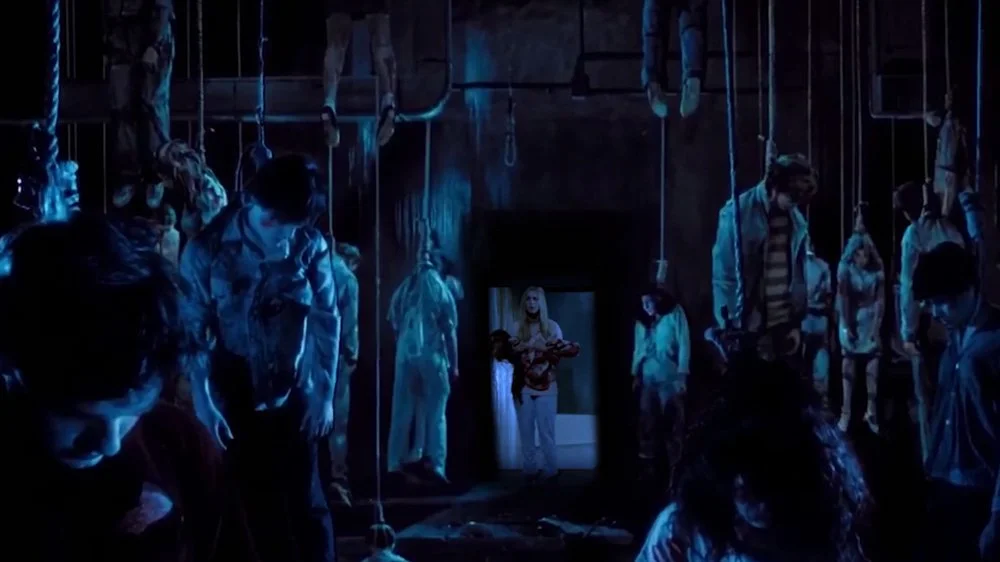
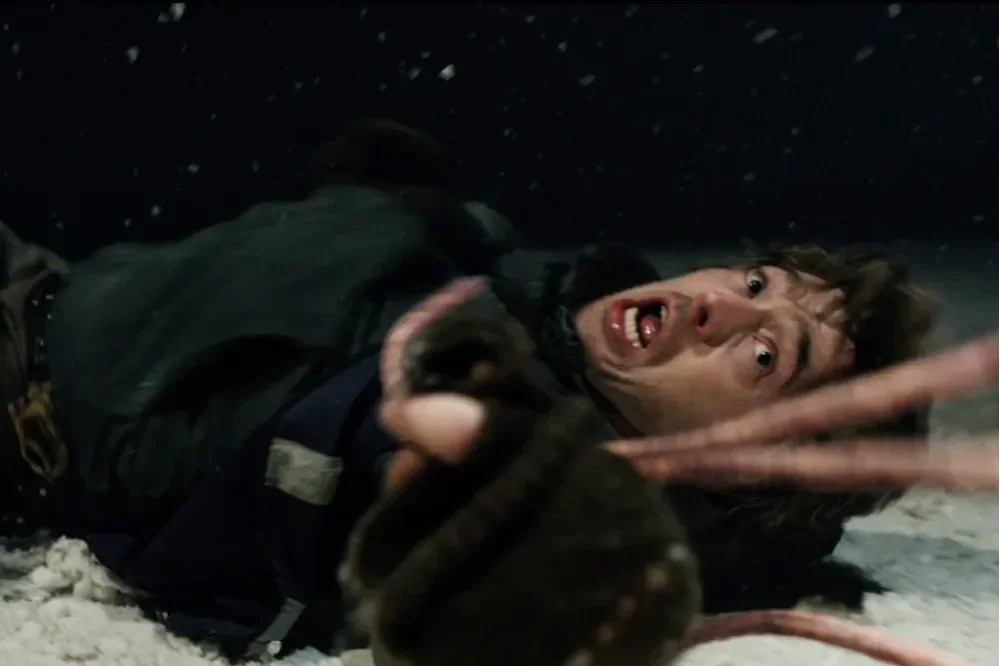
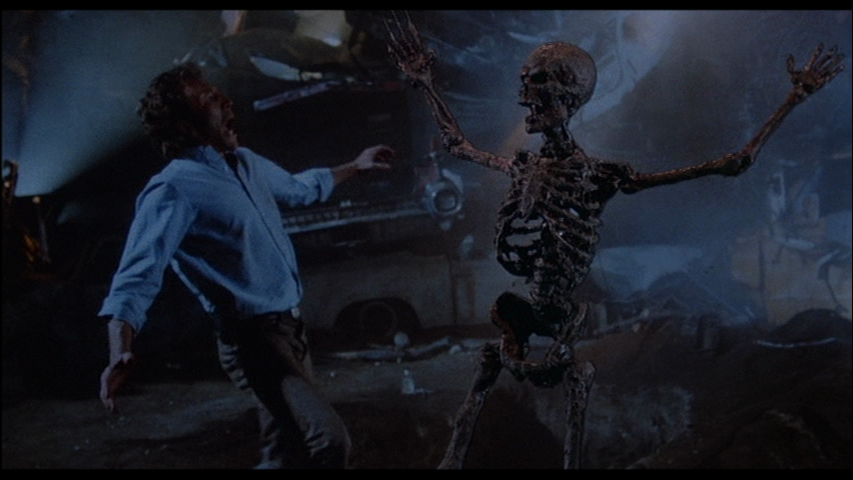
There’s a certain kind of imagination in Dream Warriors that feels bigger than what came before it. Not just in scale, but in how willing it is to go there.
The dream world doesn’t feel like a backdrop anymore. It feels like a playground. A dangerous one, but still something the movie leans into instead of holding back from.
You can see it in the set pieces, the way scenes unfold, and the way reality bends without completely breaking. It doesn’t feel limited; it feels creative.
And looking back now, there’s something really special about how practical it all is. You can feel the effort, the design, and the hands-on nature of it. It gives everything a texture that sticks with you longer than something cleaner ever could.
It’s not just about how it looks, it’s about how much it tries, and how often it actually pulls it off.
Horror Acting: 20 points
This is where Dream Warriors really finds its identity.
Heather Langenkamp coming back as Nancy adds a level of continuity that makes everything feel more grounded. There’s growth there. Experience. It doesn’t feel like a repeat; it feels like a continuation.
Then there’s Robert Englund.
This is where Freddy Krueger becomes Freddy Krueger in the way people remember him. The confidence, the presence, and the way he balances horror with personality: it all clicks here.
And it’s interesting, because the performance walks a line. It’s bigger than before, more expressive, more memorable, but it hasn’t tipped into parody yet. It still feels dangerous.
The rest of the cast brings something that makes the group feel real. Not just victims, but individuals. You remember them. You root for them. And that matters in a movie like this.
Score/Soundtrack: 20 points
The sound of Dream Warriors feels like a shift, not just for the franchise, but for the era.
The score keeps that eerie, dreamlike tension alive. It still carries that unsettling feeling underneath everything, reminding you that no matter how big or imaginative things get, you’re still in a nightmare.
But the soundtrack is where things really open up.
There’s a boldness to it. A connection to the time. The kind of music that doesn’t just sit behind the movie, it announces it. It gives the film an energy that feels bigger, louder, and more in step with what horror was becoming in the late 80s.
And when you think about this movie, you don’t just remember the scenes; you remember the feeling those songs brought with them.
Story: 19 points
There’s something about Dream Warriors that feels like the moment the franchise figured itself out.
The idea of turning dreams into abilities - giving the characters a way to fight back - changes everything. It takes what could have been another repeat and turns it into something that feels fresh again.
More than that, it gives the story heart. These aren’t just characters trying to survive, they’re characters trying to overcome something. That adds a layer that makes everything hit a little harder.
Looking back, it’s easy to see why this became such a defining entry. It doesn’t just continue the story, it expands it in a way that feels natural. It builds instead of repeating.
Scare Factor: 17 points
This is where things evolve a bit.
It’s not as raw or stripped down as the original, but it’s not trying to be. The fear here comes from the imagination, from not knowing what a dream might turn into, and from the unpredictability of it all.
There’s still danger and tension, but it’s mixed with something a little more adventurous.
Over time that becomes part of its identity.
It might not hit with the same kind of quiet dread, but it replaces it with something that sticks in a different way.
Total: 95/100 points
Grade: S Tier
Final Thoughts:
A Nightmare on Elm Street 3: Dream Warriors feels like one of those rare sequels that doesn’t just live in the shadow of the original - it stands right next to it.
For a lot of people, this is the Freddy movie.
It’s where the character became iconic in a different way. Where the series found its voice. Where horror started leaning into something bigger, louder, and more imaginative without completely losing what made it scary in the first place.
But beyond all of that, it’s just one of those movies that stays with you; the kind you revisit because you want to, and not just because you feel like you should; it feels just as easy to fall back into now as it did the first time.
It’s not just a sequel you remember, it’s one you hold onto. At the end of the day, horror hits everyone a little differently, especially when nostalgia gets involved.
I’ve been Rob, and this has been A Horrorstalgia Of… A Nightmare on Elm Street 3 (1987).