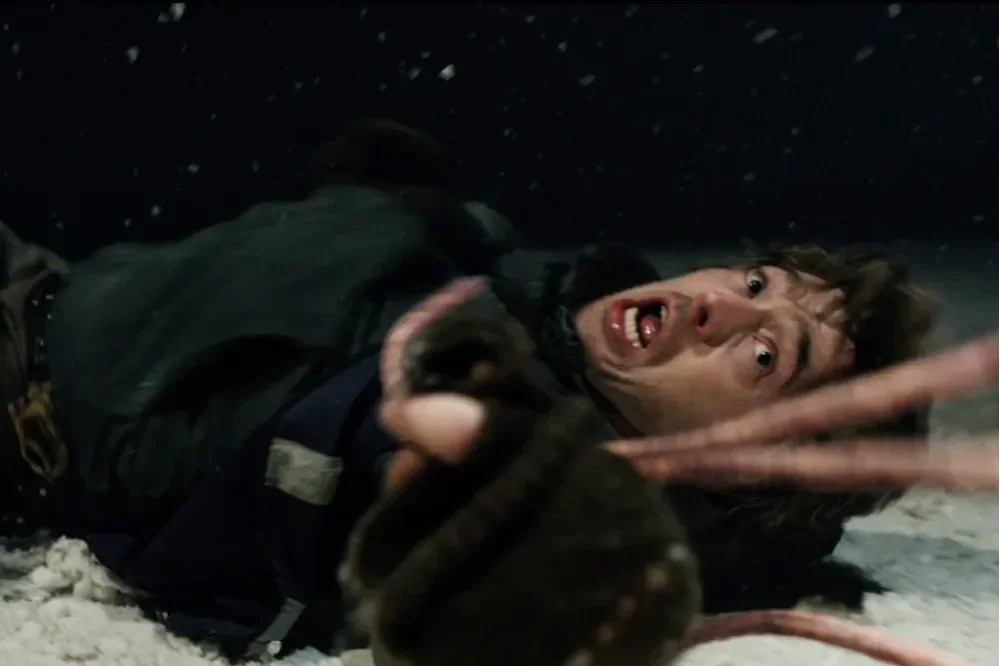
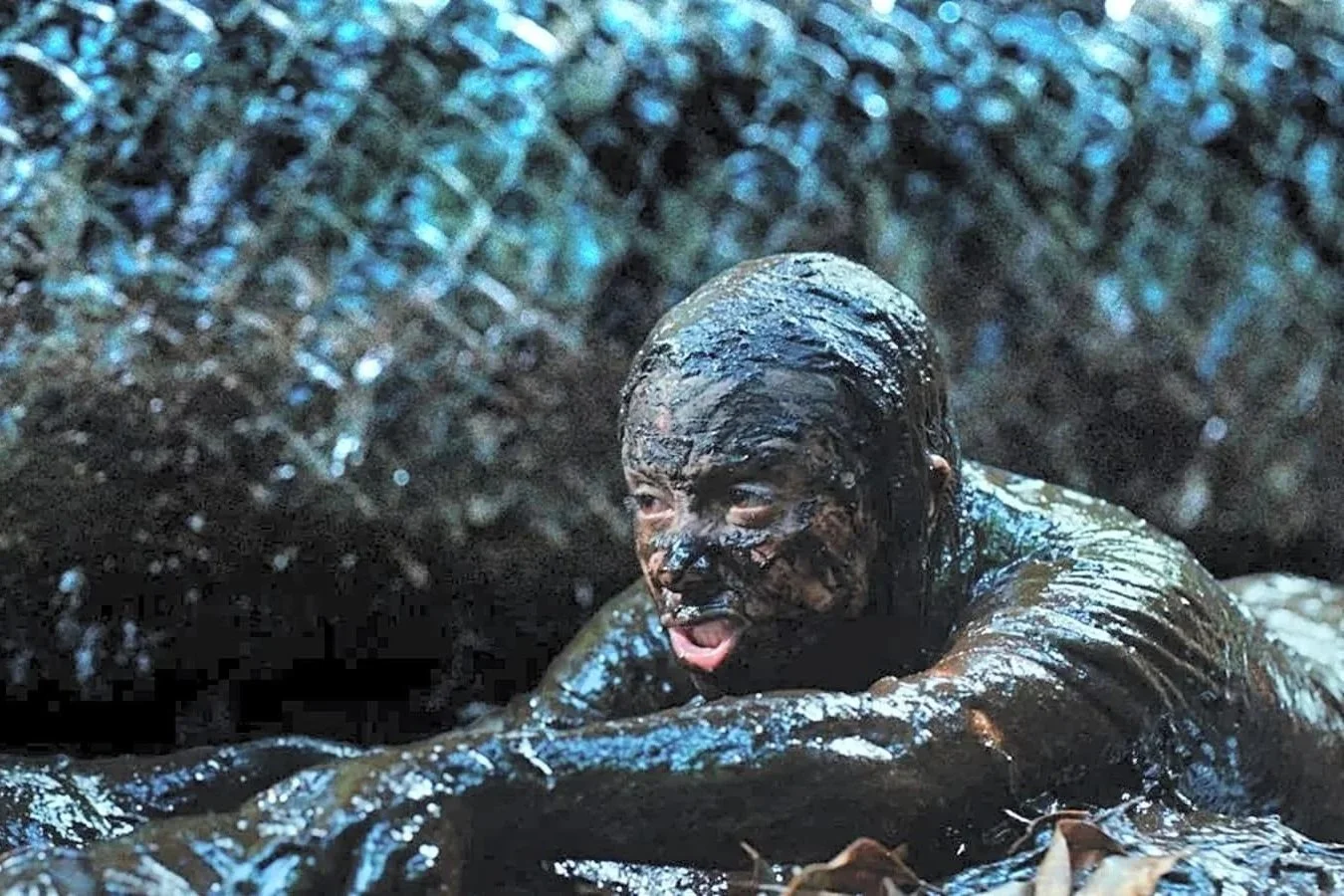
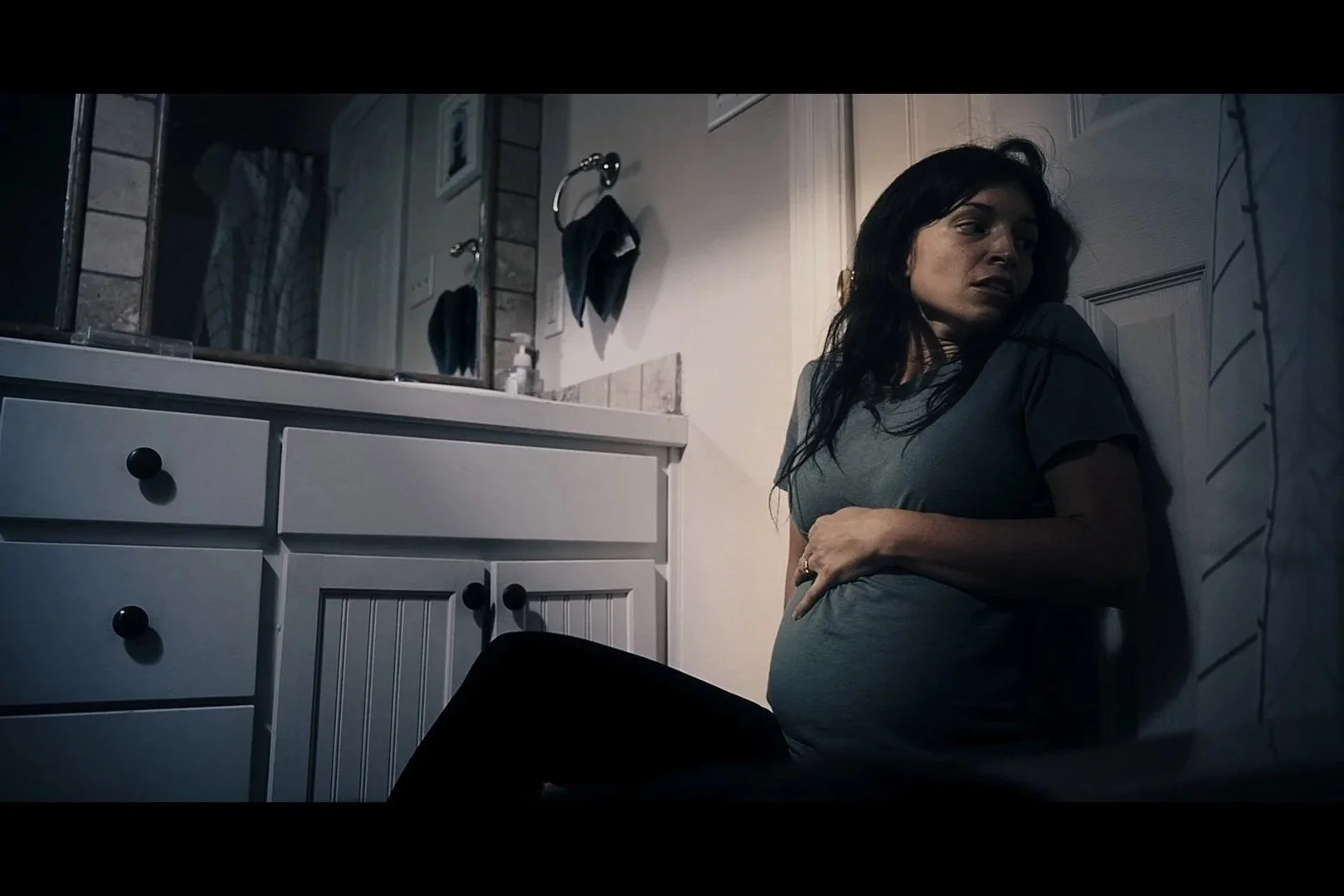
Hello out there to those that are out there. I’m Rob and I’m here today to give you my not-quite-sure-what-to-make-of-my-feelings feelings on “Bodycam” (2026).
Director Brandon Christensen delivers a stripped-down supernatural found-footage experience that leans heavily on tension, immediacy, and the unsettling idea that technology designed to document truth might instead become a witness to something far worse. This is a film that understands its limitations and, for the most part, weaponizes them.
The story follows two police officers responding to what should be a routine domestic disturbance call in a deteriorating neighborhood. An accidental shooting sets off a chain of paranoia, guilt, and increasingly unexplainable encounters that suggest something is watching them back — something that doesn’t care about procedure, evidence, or survival.
As with every review, I base my thoughts off of “The Five Factors Of Scare-O-logy”! I adhere to them because I created them, and they are as follows:
Cinematography (Up to 20 points)
Horror “acting” (Up to 20 points)
Score / Soundtrack (Up to 20 points)
Story (Up to 20 points)
Scare factor (Up to 20 points)
Those categories will each receive their points separately and at the end, the points for each category are calculated into one final number, and that gives my letter grade and tier listing of the film.
Total Overall Points:
S – 81 to 100 points
A – 61 to 80 points
B – 41 to 60 points
C – 21 to 40 points
D – 0 to 20 points
Cinematography: 8 points
Bodycam’s entire visual identity is built on forced perspective and harsh proximity. The body-mounted camera approach removes traditional cinematic comfort and replaces it with relentless forward momentum. There is no elegant framing. No safety in wide shots. Just flashlights carving temporary tunnels through darkness.
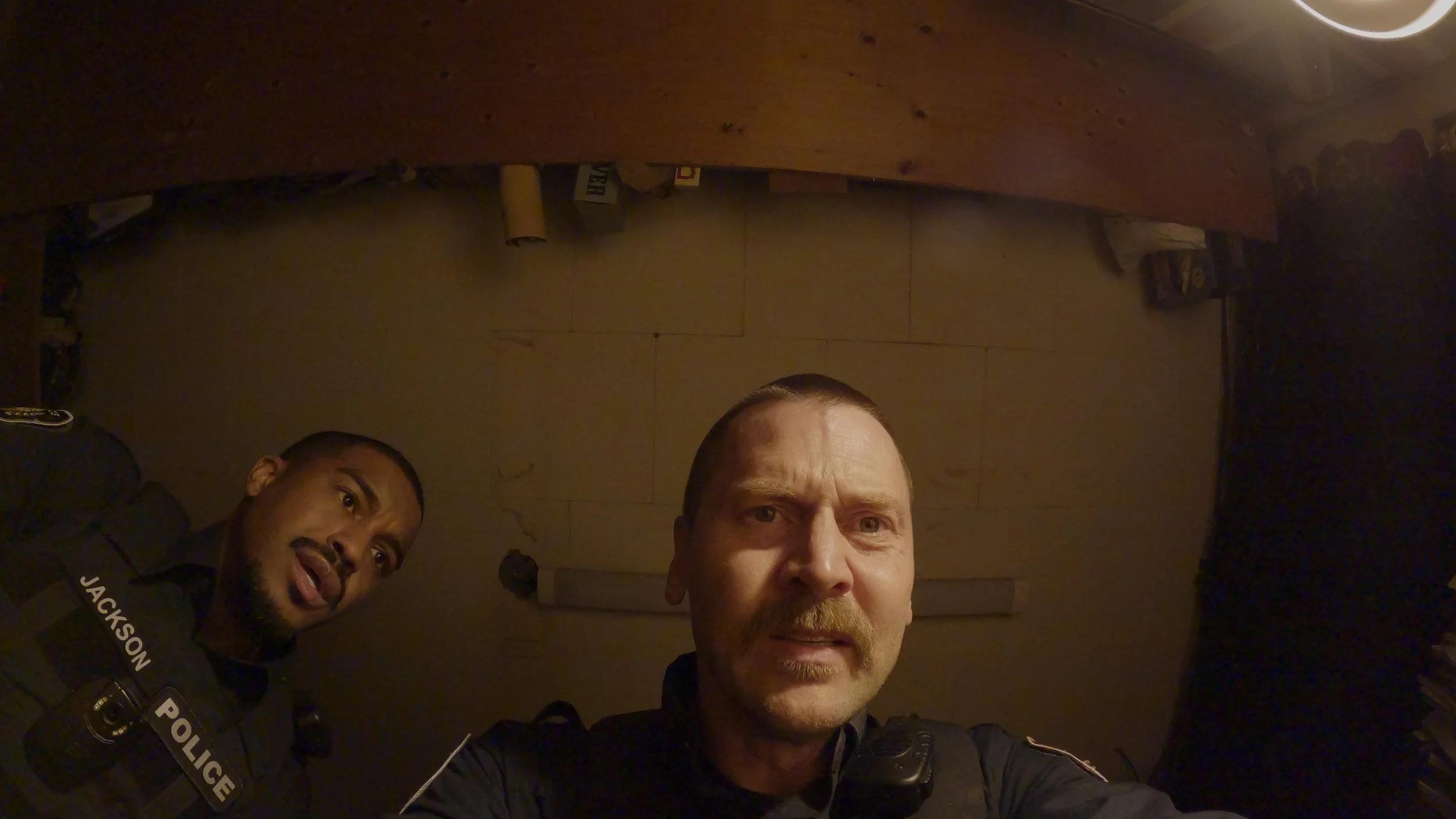
Derelict interiors, cluttered hallways, and poorly lit rooms become visual obstacles rather than backgrounds. The camera shakes not for spectacle, but because it has no choice. That lack of control becomes the film’s strongest aesthetic tool.
At times it feels immersive; at others, intentionally disorienting. It may frustrate viewers expecting visual polish, but it absolutely commits to the experience it promises.
Until you realize that the actual thing that supposedly separated it from other “found footage” style movies disappears only minutes into the movie, never to be seen again. If it weren’t for that, the film would have scored much higher.
That “visual identity” is only good if it’s actually there.
Horror “acting”: 13 points
Performances here feel grounded in procedural realism rather than heightened genre theatrics. The officers react like people trying to maintain authority in situations that steadily erode their confidence. Fear is expressed through hesitation, miscommunication, and increasingly desperate decision-making.
There are moments where emotional beats feel truncated due to the film’s continuous timeline structure. We don’t always get the space needed to fully connect with the characters beyond their immediate survival instincts. Still, the commitment to naturalistic reactions helps maintain tension.
No one feels like they are playing horror. They feel like they are stuck inside it.
Score / Soundtrack: 11 points
The film uses restraint more often than it uses music. Much of the atmosphere is built from environmental audio — radio static, distant movement, electrical interference. Silence becomes a signal rather than a void.
When score elements do emerge, they are low-frequency and mechanical, designed more to unsettle than to guide emotional response. It supports the realism of the footage concept but occasionally leaves scenes feeling sonically underdeveloped. Effective in mood, less memorable in identity.
Story: 10 points
Bodycam thrives on premise more than progression. The idea of guilt colliding with supernatural consequence is compelling, and the film smartly avoids over-explaining its mythology. It trusts viewers to interpret events through fragmented evidence and escalating dread.
However, the narrative’s narrow timeframe and perspective limit thematic expansion. Character arcs feel secondary to situational escalation. Twists exist, but they arrive more as inevitabilities than revelations.
Fans of contained horror will appreciate the focus. Others may wish for deeper emotional layering.
Scare Factor: 14 points
This is where the film quietly succeeds. The fear here is invasive rather than explosive. Sudden appearances, unnatural movement, and the persistent sensation that something is just outside the beam of light create a steady psychological pressure.
The found-footage format eliminates traditional pacing rhythms, meaning tension rarely resets. Once the film begins accelerating, it rarely allows viewers to breathe. For some, this will feel exhausting; for others, hypnotic.
It does not aim to terrify through spectacle. It aims to unsettle through inevitability.
Total Points: 63
Grade: A
Final Thoughts:
Bodycam feels like a horror film that understands the modern anxiety of constant observation. It explores what happens when accountability becomes horror, when documentation becomes evidence of forces that cannot be rationalized or contained.
It is not expansive. It is not emotionally indulgent. It is a narrow, pressure-driven experience that prioritizes immediacy over mythology, and in doing so it creates moments of genuine unease that linger longer than its modest runtime might suggest.
This is not a film designed to become a franchise cornerstone or genre milestone, but it is a film that will quietly earn respect from viewers who appreciate atmosphere over traditional narrative comfort.
If you enjoy contained dread, procedural horror, or stories where technology becomes part of the nightmare rather than the solution, this one is worth at least a one time shot.
And remember to keep it classy with a dash of slashy.