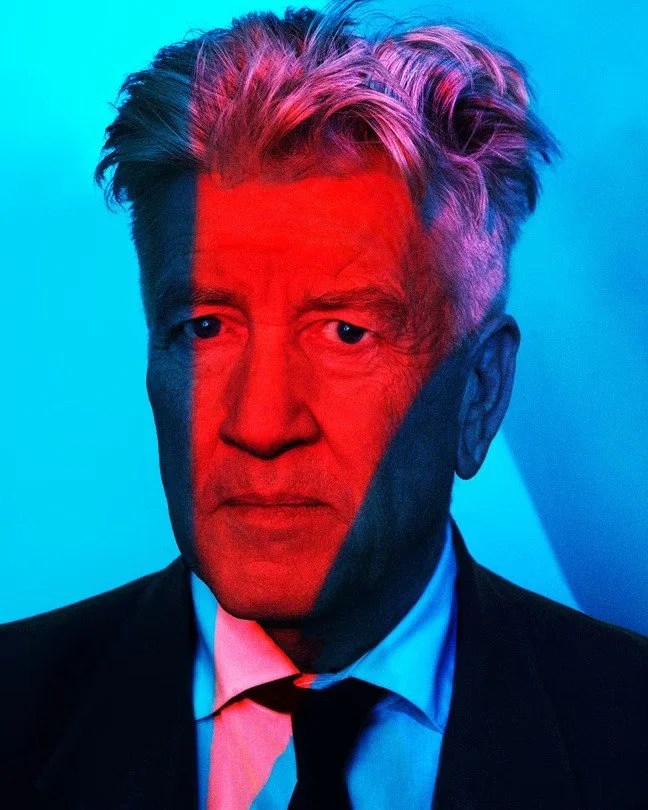
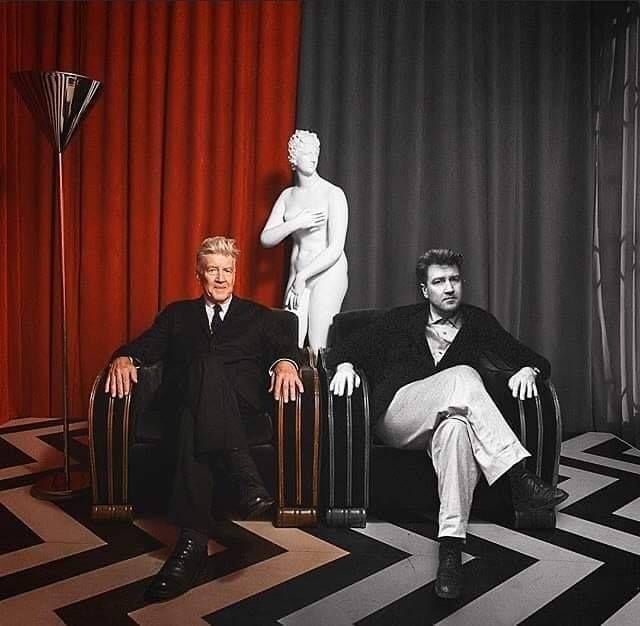
In honor of David Lynch’s birthday here is my current, personal top five
In honor of David Lynch’s birthday here is my current, personal top five *it has and likely will again change for me
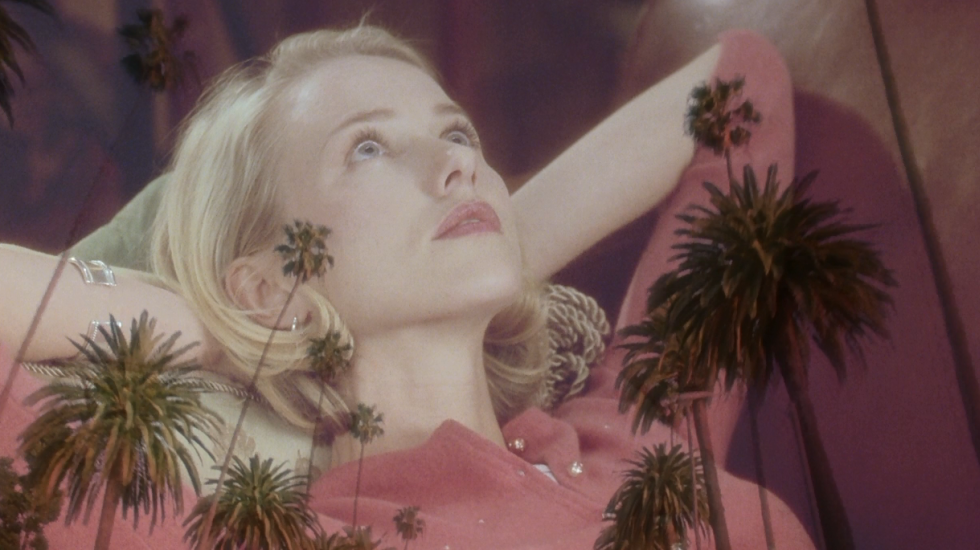
1. This is a tough one that goes back and forth between the number 1 pick today, my number 2 pick today, and those two titles being tied for number one. For today, my number one is ‘Mulholland Drive’ (2001). This is the Lynch film that I’ve seen the most amount of times, it was the first film of his that clicked for me on the first watch (the second was ‘The Elephant Man’ (1980), it’s the one that nurtured my budding desire to make a film one day myself the most, and to me, it’s a perfect film. I never tire of this one, each watch reaps further questions and answers, and more appreciation for the aesthetic and narrative excellence that is showcased here. There is no performance quite like Naomi Watts’ in this, and the balance of dream-logic, homage, comedy, drama, tragedy, satire, and romance is a masterclass in dynamic filmmaking and screenwriting.
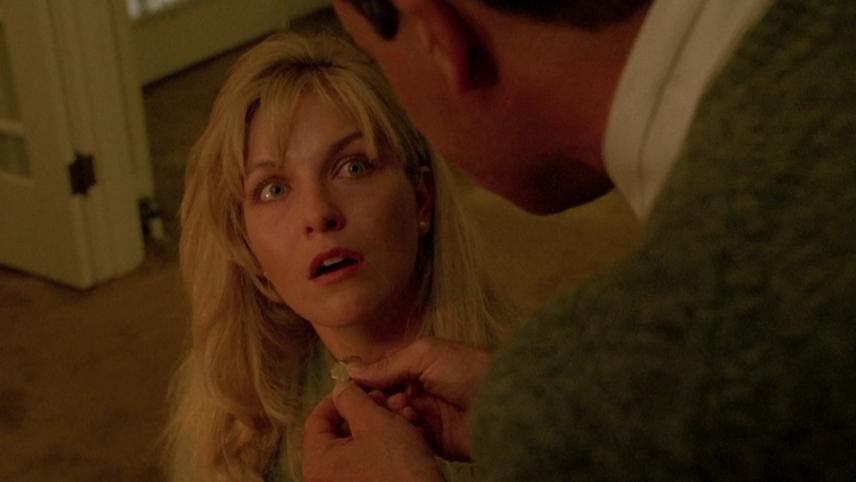
2. ‘Twin Peaks: Fire Walk With Me’ (1992). For legal reasons I cannot say too much about the plot here, but it takes the idea of a prequel and elevates it to something new and exciting that pays off for viewers of the series. Sheryl Lee’s performance in this is a top contender for the best acting I’ve ever seen, it’s gorgeously filmed, and has a great score thanks to Lynch’s frequent collaborator - Angelo Badalamenti. The last week of Laura Palmer’s life is not a movie that is easy to watch, but it is a movie made with exceptional detail, care, creativity, and compassion. Laura Palmer is not a dead body wrapped in plastic, a crime to be solved, someone for a town to forget as soon as they can. She is a human being, and her life, her suffering, and her death carry tremendous weight in the Twin Peaks universe. How she died, how she lived, and who brought suffering to her and visited with it frequently are some of the most shocking, daring choices made in a film that I’ve seen, and all with a purpose. Many women and girls over the years have found catharsis and healing in seeing themselves for once represented on screen through this movie.
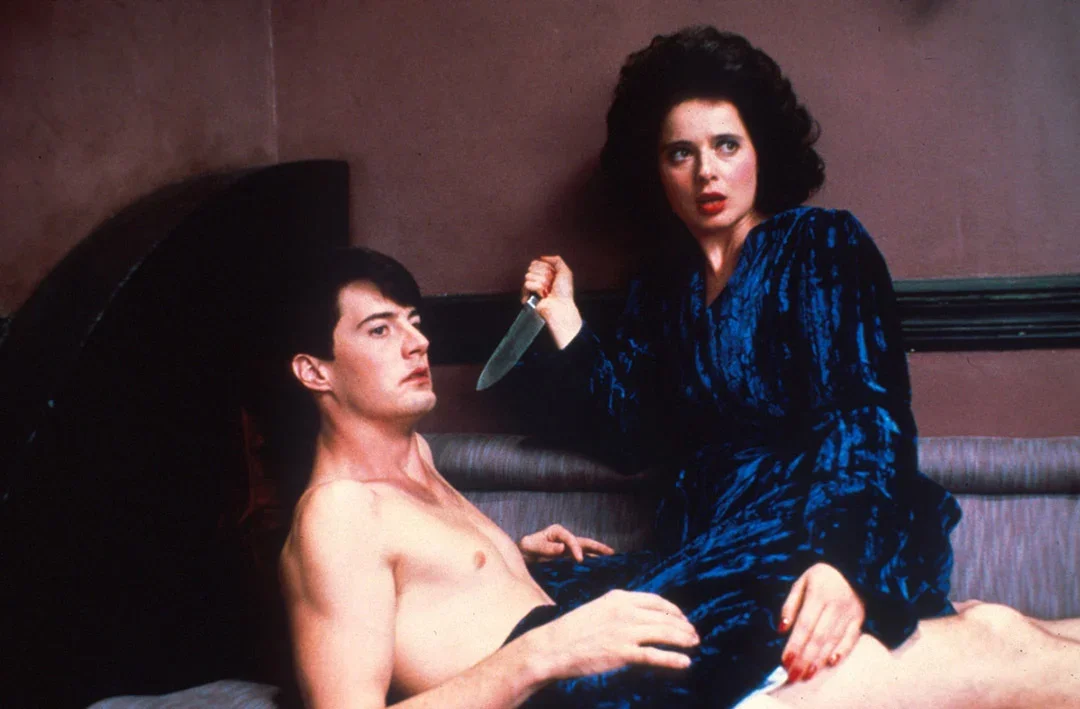
3. ‘Blue Velvet’ (1986): I am of the sincere opinion that without “Blue Velvet, there would be no “Twin Peaks”, or indeed any of his other outputs post 1986 (with the possible exception of ‘The Straight Story’). It is one of the most memorable films to me for several reasons, but chief amongst them is the dazzling and wonderful score by the late great Angelo Badalamenti, the opening shots of a bright blue sky a bright white picket fence and bright red roses, the iconic “In Dreams” scene, and Isabella Rosselini’s underrated performance as one of Lynch’s first “women in trouble” - an archetype he would improve vastly upon in future projects like “Mulholland Drive”, “Fire Walk With Me”, “Lost Highway”, and of course - ‘Inland Empire’. It might be his best looking film in some respects, and it was a triumph for his career after the crushing defeat that was “Dune” (in which he was entirely robbed of creative control and final cut priviledge). It is one of the best attempts he made in subtly but effectively integrating social criticism into a genre film that is full of camp and neo-noir staples, but also humor, extremely dark themes, and beautifully pure things like the joy of hearing the song of a bird outside your window. It’s also the most obvious example - outside of “Twin Peaks,” of him being critical of white American “culture” and its quest for a veneer of perfection while ignoring the evil right beneath the surface of things. “Blue Velvet” and I have had a long journey, but seeing it on the big screen last year was a major turning point for me, and I’ve grown to love it more over time and with the rewards that you reap from repeat viewings of it. Also I have to note that the shot of a certain yellow-blazered individual in a certain apartment, in dead silence with Kyle Machlachlan as the doe-eyed young protagonist Jeffrey Beaumont is one of the most effective, haunting, surreal things I’ve seen to date - (and I’ve seen “Meshes of the Afternoon”).
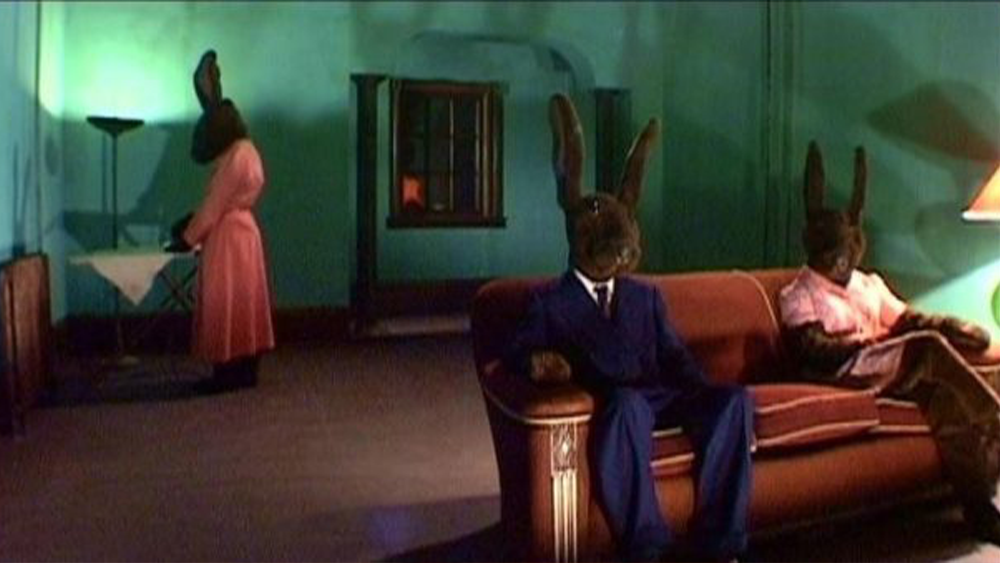
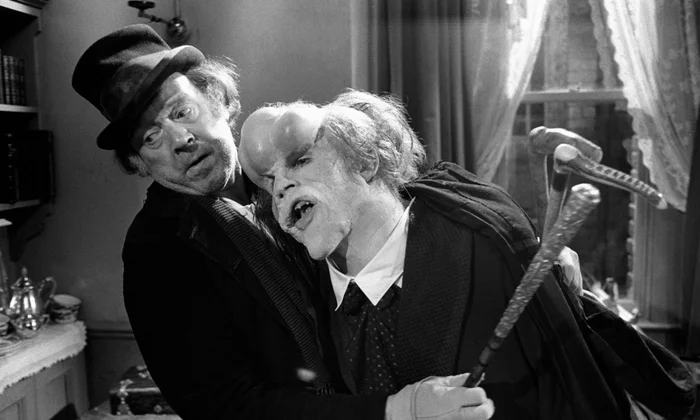
4. This is a three way tie of sorts...and I’m not sorry. For number four it would be a tie between a combined watch of (first) ‘Rabbits’ (Lynch’s surreal, haunting, and mysterious short series of short films), and what is arguably the most “Lynchian” film since ‘Eraserhead’ - ‘Inland Empire’. These projects do have a link, but you have to see it to understand it. Rabbits is a work of art visually and otherwise, and its integration into “Inland Empire” is one of the best parts about that film for me. I’ll be honest, “Inland Empire” has been a 180 for me possibly the most out of all of Lynch’s feature films. In fact, it was almost number 3 on this list, and has at times been higher than some of his more beloved films for me. He had total artistic freedom for this movie, and was the most hands on that a director could possibly be. What you see and feel is entirely an invention of Lynch, and no one else. Laura Dern’s incredible performance is one of the most impressive undertakings of a lead actor that I’ve ever seen, and she does it seemingly without ever breaking a sweat. It is perhaps his most intricate mystery, and it might be the movie I’ve gotten the most out of in terms of rewatches. I literally rated it half a star at one point, and now it’s one of the most interesting movies I’ve seen. It’s one of the best nods to “The Wizard of Oz” in his filmography - I think “Mulholland Drive” and “Blue Velvet” are just as good though in this respect. The “third” member here is the biopic “The Elephant Man” (1980). It’s one of the most painful, angering, beautiful films I’ve ever seen. The fairytale-meets-circus score is mesmerizing, its stylish, but most importantly, it is driven by great performances, story, and makeup work. John Hurt - under what must have been many pounds of makeup - does better acting than many of our most lauded actors today do with none of the same restrictions. It is clearly made by someone with a great amount of compassion and respect for the real man - Joseph Merrick (called John in the film). It will make you ache, it will make you cry, and it will make you see the best and the worst in humanity. Who we define as “ugly” (and who we treat as human beings and valuable), has never been so starkly criticized without a moment of preachiness. Not to mention it’s the reason we have an academy award category for “Best Makeup” - and for good reason, the work is impressive, to put it mildly.
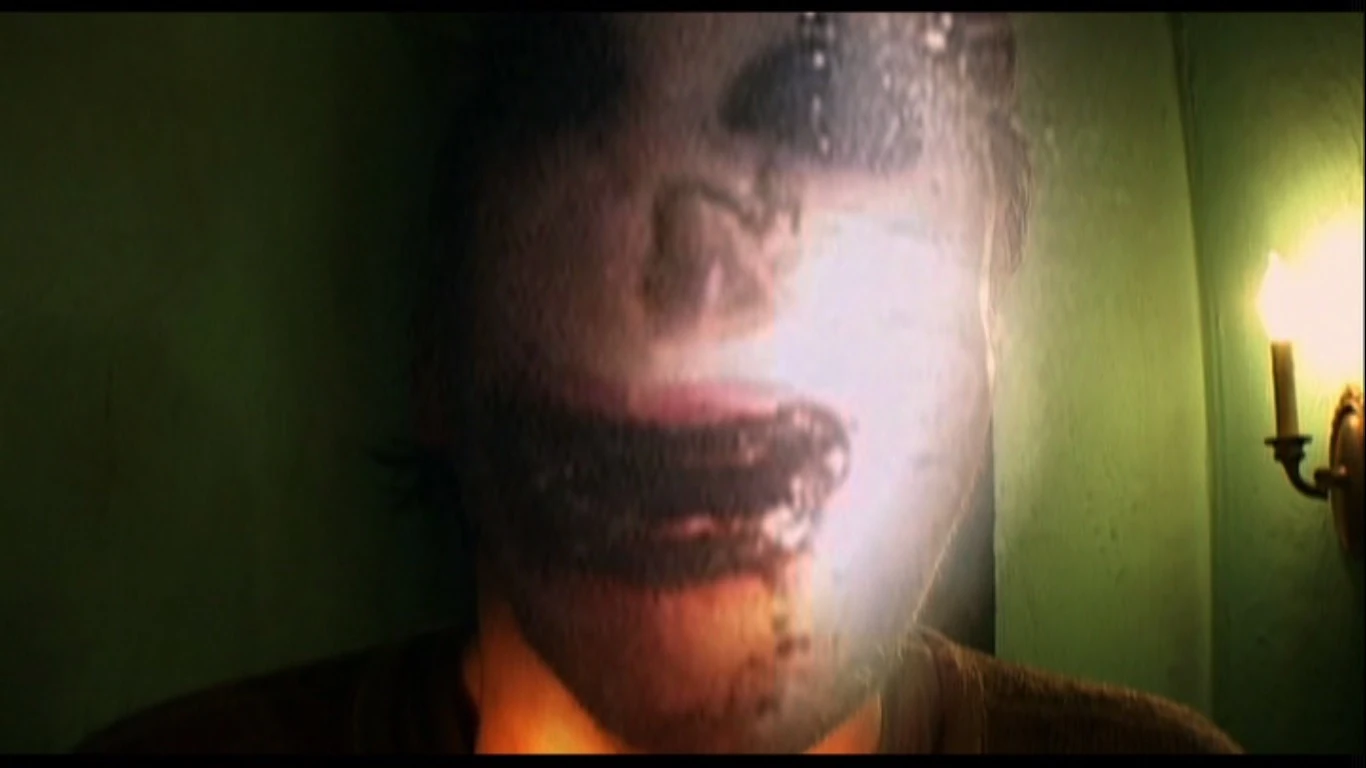
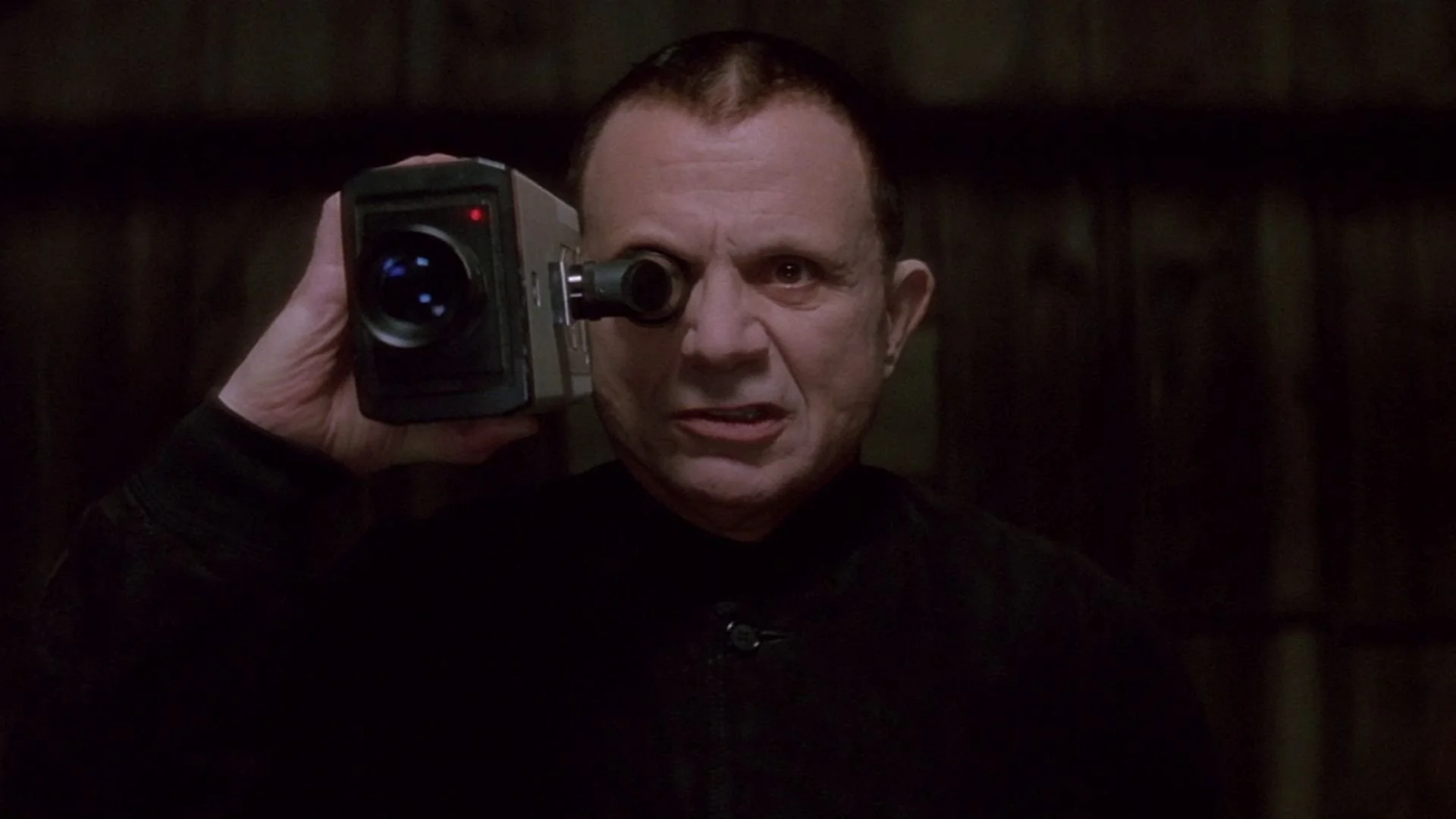
5. TIE - Yes im being “that girl” again.. because this last one changes as much for me as the rest of the list tends to from time to time. First we have Lynch’s jarringly tense, frenetic, horrifying, surreal 1997 film, “Lost Highway”, starring the long-underrated Patricia Arquette, Bill Pullman, Balthazar Getty, and a regrettably very good performance by pre crime Robert Blake (if you know you know). A lot of my affection for this movie comes from it being a necessary predecessor to what I think is a better movie with some similar themes - “Mulholland Drive” (and later “Inland Empire”), but it’s also a fascinatingly abstract examination of cases like that of O.J. Simpson. What the mind can do, and where it can take you, when you’ve done something unthinkably dark to someone you claimed to love - and how someone might create a new reality within themselves to put distance between them and the wretched stain of guilt - has perhaps never been better depicted in film than it has by David Lynch. It’s a great blending of horror, neo-noir, surrealism, and crime film genre elements. I simply think he developed and built on these ideas (and added to them) better with later projects than he did with this (I also think he’s a rare case of a male filmmaker who makes better stories/films when a woman is the main character than when it’s a male main character).
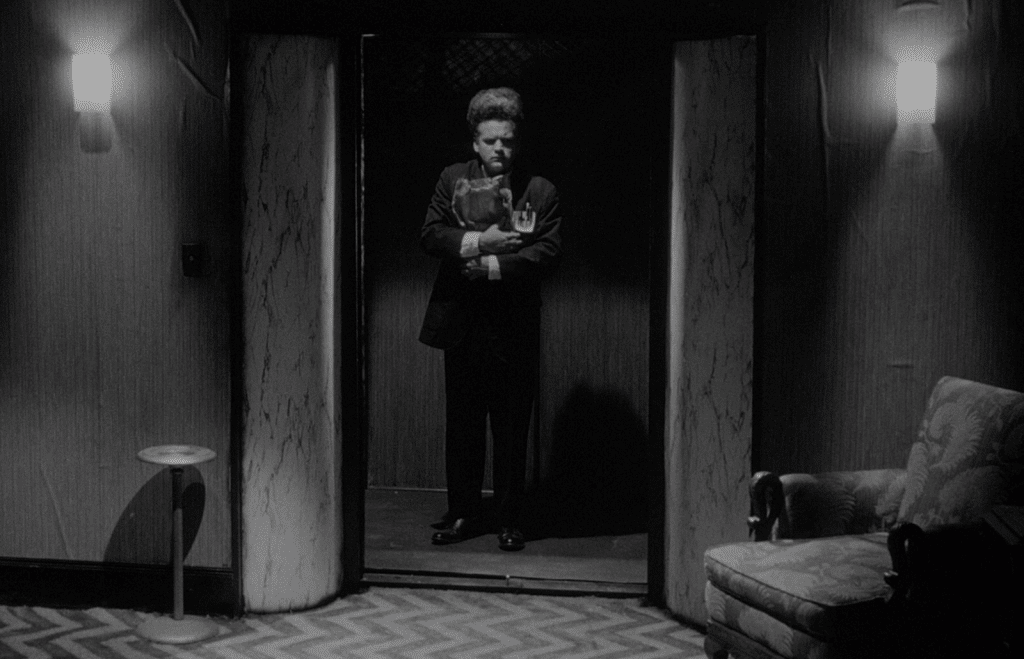
And now, of course, like the time loops he was known for - we come back to the beginning, with David Lynch’s divisive, otherworldly freshman feature film, 1977’s “Eraserhead”. To start, I do think this is one of his best looking films. Frederick Elmes’ cinematography, the set design (featuring the now ever-associated-with-”Twin Peaks” chevron patterned floor), the incredibly intentional and detailed sound design, the infamous little guy who remains one of the most impressive examples of practical effects in film for me, the enduringly creepy and nightmarish atmosphere and imagery, and of course - Jack Nance’s silent-film-era coded performance as a man who seems eternally bewildered and lost. It’s perhaps Lynch’s most lived-in, fully realized world, one entirely of his own making and yet one that looks very much like a dystopian, bleak version of an American city. While the pacing and at times overstimulating sound design isn’t always my cup of tea, I remain impressed and enchanted by this film, and I think about it more often than I do many of the films that rank higher on this list than it does. How this film can feel so gritty, and yet look as great as it does in every shot, is a testament to the tremendous skills of all involved - including (but certainly not limited to) Jack Fisk and Catharine Coulson (the latter of whom would go on to play the iconic Margaret “Log Lady” Lanterman in “Twin Peaks”). Highly reccomend watching this movie in a theater if you can, but if you can’t; get the darkest room available to you and the best speakers or headphones you can. It’s a world made to be immersive and abstract, dive into it as deeply as you want to!