Possession (1981) lingers with viewer
Hello out there to those that are out there. I’m Rob, you are reading, and I thank you.
I’m here today to give you my sanity-unraveling, relationship-shattering, reality-bending, art-house nightmare kind of reflections of Possession (1981).
There are some horror films you enjoy, some you admire, and then there are some that almost feel like an experience you have to work through. Possession has always felt like that kind of film to me. It isn’t a movie that meets you halfway, and it doesn’t seem interested in making itself easy. But for the people willing to sit with what it’s doing, there’s something hypnotic about it.
What makes it linger isn’t just that it’s strange or unsettling; it’s that underneath all the chaos, there’s something deeply human running through it. A lot of horror films deal in monsters, but this one feels just as interested in emotional collapse as anything monstrous. That’s part of what makes it so hard to shake.
And going back to it now, that feeling hasn’t faded. If anything, it gets richer.
The Five Factors Of Scare-O-logy are how I break down a horror film across five key categories. I adhere to them because I created them. Each category is worth up to 20 points, for a total possible score of 100 points.
Cinematography: 20 points
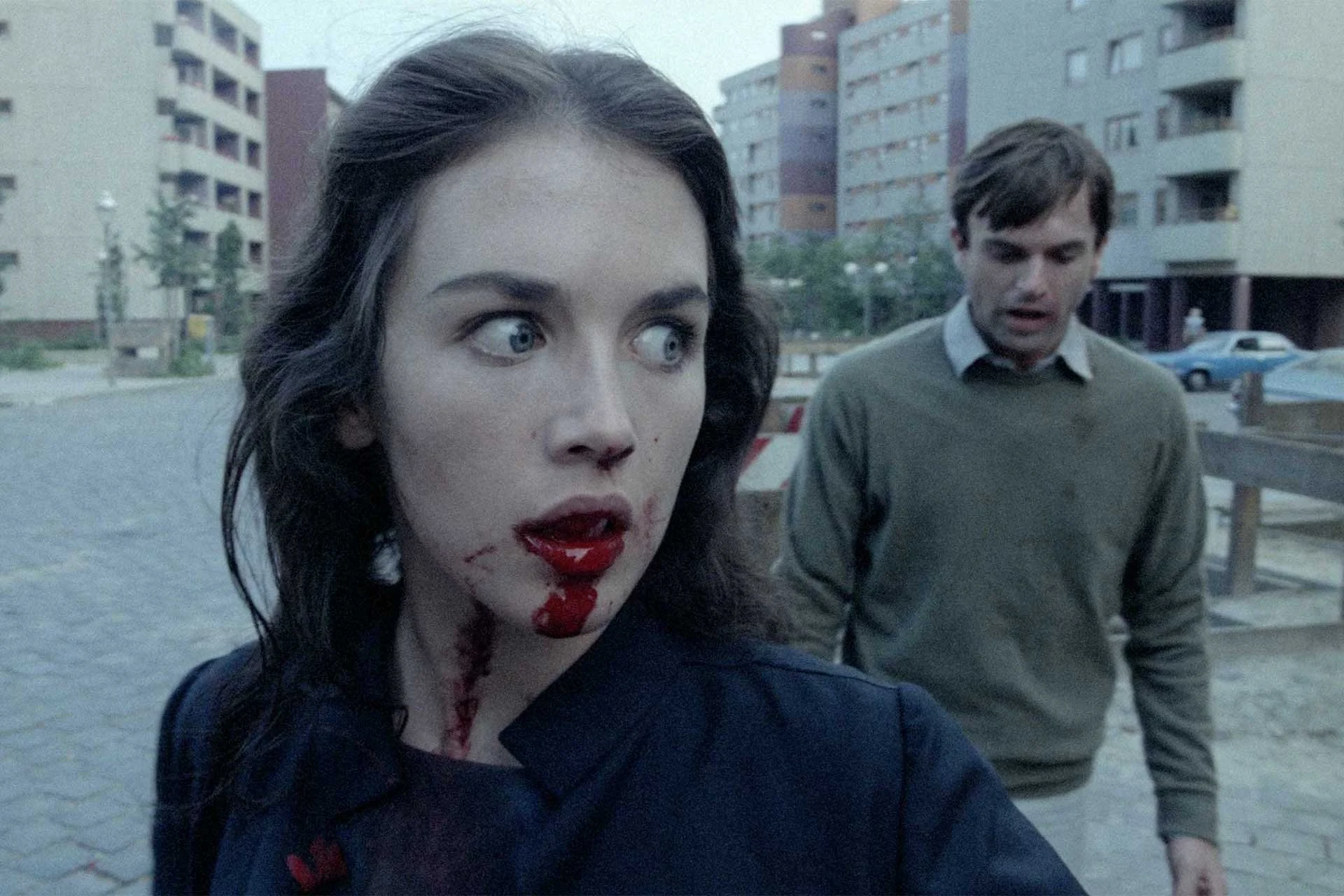
One of the first things that stands out about Possession is how alive the camera feels. It doesn’t just observe what’s happening—it often feels like it’s participating in the emotional instability of it all. There’s movement here that feels restless and searching, almost as if the film itself is unsettled.
And then there’s the atmosphere the visuals create. Berlin feels cold and fractured. Interiors feel suffocating. Even ordinary spaces carry tension. There’s a bleakness to the film that doesn’t come from darkness alone, but from how disoriented everything feels.
What I appreciate more on revisits is how much of the film’s emotional weight is carried visually. The imagery isn’t just memorable because it’s strange. It stays with you because it feels connected to the breakdown happening underneath the story.
That’s hard to pull off, and this film does it beautifully.
Horror Acting: 20 points
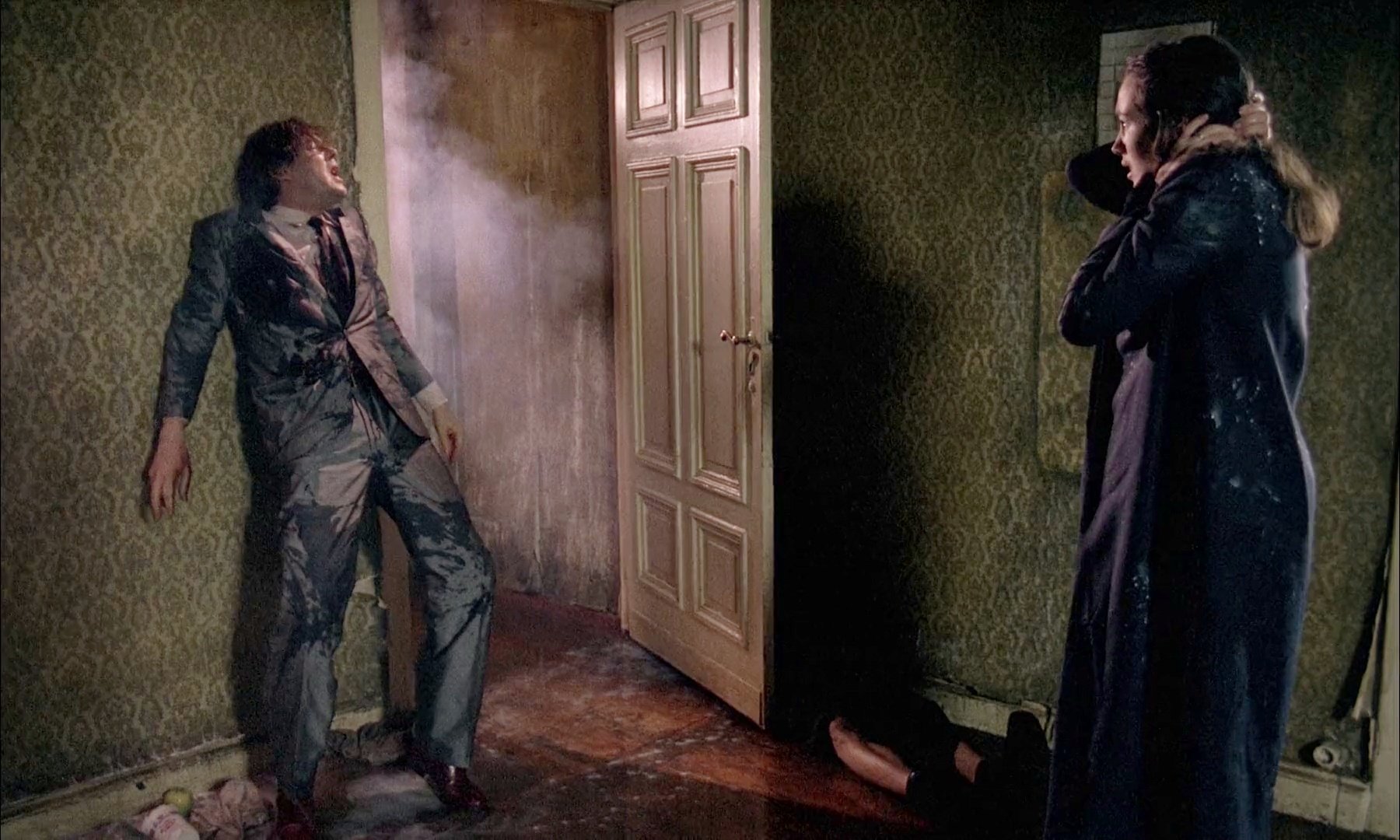
The performances here are a huge part of why this film works as well as it does.
Isabelle Adjani gives one of those performances that people talk about for decades for a reason. It feels fearless, raw, and completely committed. There are moments where it barely feels like performance at all and more like watching someone tear themselves open emotionally.
Sam Neill brings his own unraveling energy to the film in a way that keeps everything unstable. His paranoia and desperation balance Adjani’s intensity without ever shrinking beside it.
What really stands out is how the two performances feed off one another. Their relationship doesn’t just feel troubled—it feels combustible.
That’s why the emotional horror in this film lands so hard. You aren’t just watching bizarre things happen; you feel the damage.
Score/Soundtrack: 18 points
The sound design and score in Possession work more through atmosphere than overt musical identity, and that fits the film perfectly.
The score doesn’t lead you emotionally as much as it deepens the unease already present. It creates pressure more than melody, and that pressure matters.
What also stands out is how much silence and negative space are allowed to work. The film knows when to let discomfort sit there without underlining it.
And for a film this psychological, that restraint goes a long way.
This isn’t a soundtrack-driven horror experience in the way some films are, but sonically it creates an emotional texture that absolutely belongs to the film’s identity.
And that matters just as much.
Story: 20 points
This is one of those films where the story gets richer the more you sit with it.
On one level, you can look at Possession as relationship horror. On another, psychological collapse. On another, something almost surreal and allegorical. And what’s remarkable is the film can sustain all those readings without feeling scattered.
That’s not easy.
What I love about it is that it refuses to simplify itself. It doesn’t hand you one interpretation and call it a day. It leaves room for you to wrestle with it.
And for me, that’s part of why it endures.
It’s unsettling, yes. But it’s also deeply layered.
That combination is rare.
Scare Factor: 19 points
This movie doesn’t scare in a traditional way so much as it unsettles at a very deep level.
And honestly, that can linger longer.
There’s dread here that starts emotionally before it turns horrific, and I think that’s why the discomfort feels so lasting. It’s not built around jolts or shocks. It’s built around instability.
There are moments and images in this film that stay with people because they feel wrong in a way that’s hard to explain.
And sometimes that kind of horror hits harder than anything overt.
It gets under your skin slowly, and stays there.
Total: 97/100 points
Grade: S Tier
Final Thoughts:
Possession (1981) feels less like a film you casually throw on and more like one you return to when you want to sit with something challenging.
And I mean that as a compliment.
Because for all its intensity, surrealism, and emotional violence, there’s something deeply compelling about how fully committed it is to its vision. It doesn’t compromise. It doesn’t soften itself.
It trusts the audience to meet it where it lives. That’s part of why it has the reputation it does.
Some people call it an art-house horror masterpiece. Some call it emotional nightmare fuel. Some see it as one of the most unsettling relationship films ever made. There’s truth in all of that.
For me, it’s one of those rare films that feels as emotionally overwhelming as it is intellectually fascinating, and there just aren’t many horror films that operate in that space.
It isn’t easy nor comforting, but it is unforgettable; and that earns a lot of roses.
At the end of the day, horror hits everyone a little differently, especially when nostalgia gets involved.
I’ve been Rob, and this has been A Horrorstalgia Of… Possession (1981).