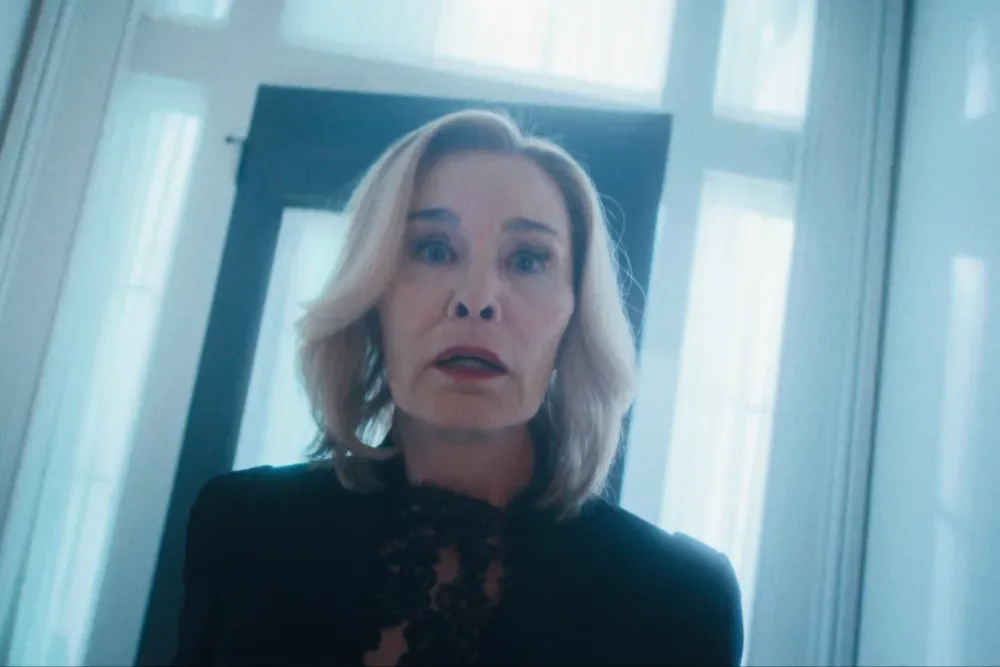
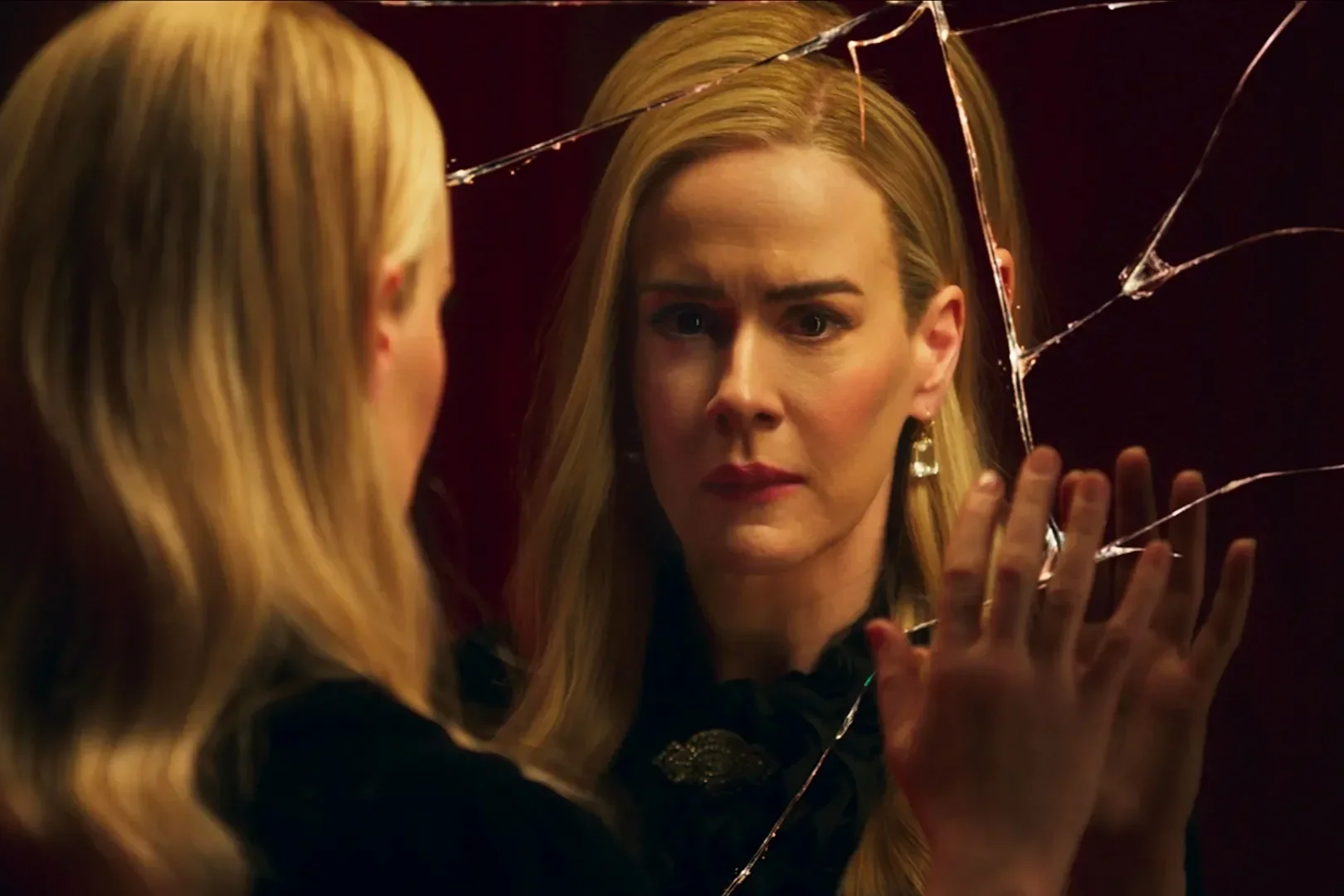
With its final episodes, The Terror: Devil in Silver delivers a tense penultimate and finale episode that manages to stick the landing. While episodes three and four struggled with pacing and being as engaging as the novel the series is based on, episodes five and six manage to course correct as we witness our characters reeling at the murder of Coffee in the final moments of episode four. Although the show’s short runlength does limit how much we can learn about New Hyde’s patients, Coffee’s death successfully coalesces the show’s plotlines as the death results in the announced closing of the psych ward and forces Pepper to determine what exactly is going on in the ward before its patients are relocated.
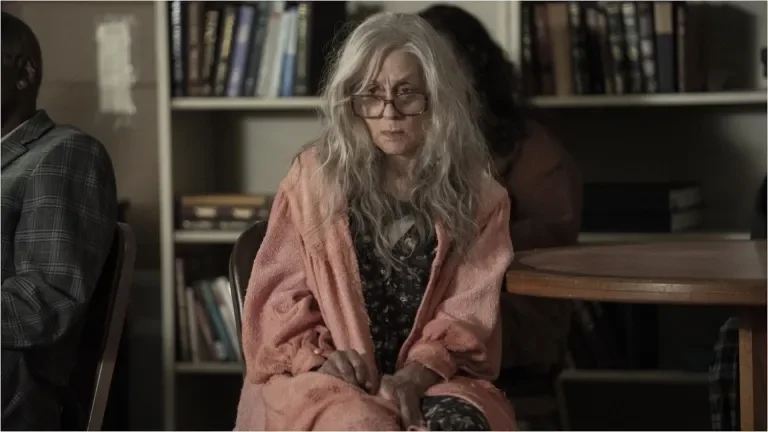
Episode 5 “Vermillion”, directed by Craig William Macneill from a script by Christopher Cantwell, begins with Dr. Anand attempting to quell the concern of the remaining patients after Coffee’s death. But Dr. Anand’s efforts just seem to rile up the ward more, as patients push back against any semblance of normalcy as Anand pressures them to return to their patient book club and continue business as usual. This directly conflicts with news that New Hyde will be losing its funding and closing almost immediately. With the previous set of episodes giving us more insight into the history of the hospital, we once again head back in time as we learn how Dorry was forcefully committed to the hospital after a non-consensual lobotomy was ordered by her husband. It is in these flashbacks that we learn how Dorry befriended the ward’s oldest patient, Arnold, resulting in this patient brutally murdering Dr. Walter who performed her lobotomy; however, while this patient is locked away behind the silver door for the next sixty or so years.
Meanwhile in the present timeline, Pepper and the other patients learn of their impending transfer out of the ward, resulting in a slew of family members including Pepper’s son Anthony visiting the hospital. As Pepper attempts to make right with his son, Dorry becomes convinced that the closing of New Hyde will result in the so-called devil escaping the confines of the hospital. Despite Dr. Walter’s death, Dorry believes that the overprescribing of medications is meant to effectively lobotomize the patients in New Hyde, leaving them vulnerable for the Devil to feed off of. Dr. Anand’s approach to her claim of the supernatural is to try and maintain order, which Dorry views as an indication that he is indeed another host of the entity. Dorry violently kills Dr. Anand, resulting in the ward being put on lockdown, despite the objection of the patients and their loved ones. In the final moments of this episode, we watch as Dorry climbs the chainlink fence of New Hyde, choosing to throw herself to her death with the belief that killing Dr. Anand will rid New Hyde of its supernatural woes.
However, Episode 6 "Starry Night," once again directed by Craig William Macneill from a script by Victor LaValle and Chikira Bennett, quickly establishes that the “Devil” in New Hyde is still very much an issue. While the patients and their loved ones are told to stay put by the hospital’s security, Pepper manages to convince one of the remaining staff members that supernatural events are indeed taking place. Acquiring the key to the silver door where Arnold has been held since Dr. Walter’s death, Pepper comes to believe that killing the entity’s vessel will result in its defeat. However, Arnold escapes before Pepper can manage to do so, resulting in several deaths in the ward as the entity rages. Fearing his son’s death at the hands of the entity, Pepper manages to corner Arnold, who has been puppeted by demonic visions of Dr. Walter. Using New Hyde’s imminent closure as an argument for the entity starving without patients, Pepper accepts the burden of being the demon’s vessel. In the final moments of the season, we see Pepper readjusting to civilian life and trying to fix his relationship with his son, while visions of Dr. Walter continue to haunt him.
By trapping our characters within New Hyde in its final moments, these episodes coalesce around the idea that one can be trapped in a variety of ways. Thematically, the show’s flashbacks when paired with the tragedy of the present timeline comment upon the nature of confinement & the American mental health system. Characters like Dorry and Arnold suffer beneath the weight of a mental health system centered around easy fixes, showing how the practice of lobotomizing patients and forgetting them within the medical system was seen as an ideal, quick solution to mental health problems. Dr. Walter is applauded for his lobotomy prowess, with some sort of demonic force latching onto his willingness to erase the problem of actually treating mental health issues.
But when we look at the state of the patients in the contemporary timeline, we see that this method has just evolved, replacing surgical butchery with cocktails of pills and oversedation. While Pepper begins the series denying his need for a psychiatric hold, he comes to understand the pain and hurt that has colored his life isn’t something he can deny. Though Pepper accepts being the entity’s vessel, he no longer is the sort to bury his problems or suffer endlessly, allowing him to keep the entity in check. The show’s final scene sticks the landing in part because despite Pepper’s possession, his ending is optimistic, showing how one’s struggles doesn’t have to be an endless, insatiable void of circling back and wondering ‘what if the bad things that happened didn’t happen’. Rather, we can acknowledge our failures and struggles from the past, but also live life without allowing them to control our future.